
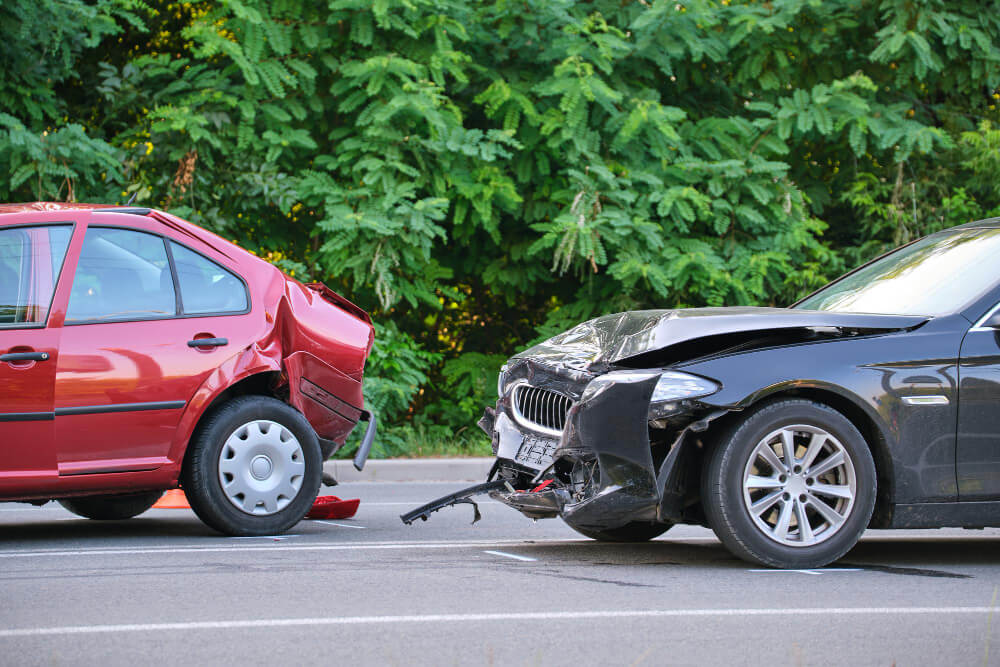
Move it or leave it? The decision factors that matter most
Traffic exposure is what turns a minor fender bender into a serious injury scene. If your car is in a live lane, on a blind curve, or stopped over a hill where approaching drivers have little time to react, getting it to the shoulder or a nearby lot can reduce risk immediately. At the same time, you do not want to clear the road by driving a damaged car that is leaking fuel, losing brakes, or steering unpredictably.
A quick mental checklist helps:
- People: Are you or anyone else injured, dizzy, in pain, or possibly in shock?
- Fire risk: Any smoke, burning smell, or fuel odor?
- Leaks: Is there liquid pooling under the engine or near the rear?
- Control: Can you steer, brake, and accelerate normally enough to move a short distance?
- Stability: Is the car stuck on a curb, median, guardrail, or ditch edge?
- Visibility: Are you in a spot where drivers cannot see you soon enough?
If the answers point toward danger where you are, moving a short distance to a safer position is usually the right move, provided the vehicle is safe to operate for that short reposition.
What to do immediately before deciding
Even when you are confident the car can move, you will make better decisions if you take 30 to 60 seconds to slow things down mentally and scan for the problems that matter.
Check people first
Pain and injury are not always obvious right away. Ask everyone if they feel okay, and pay attention to symptoms that can appear minutes later: neck or back pain, headaches, dizziness, nausea, confusion, numbness, or shortness of breath. If anyone is injured or you suspect injury, prioritize medical help and avoid moving people unnecessarily unless staying put creates an immediate danger such as fire or being in the path of traffic.
Calling 911 is appropriate anytime there are injuries, a vehicle is disabled in a dangerous spot, or traffic is blocked.
Make the scene safer
Turn on hazard lights right away. If it is dark or visibility is poor, headlights can help other drivers recognize your position. Be mindful that leaving lights on can drain the battery if you will be waiting.
Where you stand matters. Avoid standing between vehicles or in a lane to talk after the crash. If you can, move yourself and passengers to a safer area away from traffic. Behind a guardrail is often better than the shoulder. If you are on a narrow shoulder with fast traffic, staying belted in the car may be safer than standing outside, depending on the exact situation.
Call someone and share your location.
Quick hazard scan
Before you decide to drive even 50 feet, look and smell for warning signs:
- Smoke or steam: Steam could be coolant. Smoke could be electrical or oil.
- Fuel smell: Do not start or move the vehicle if you smell gasoline strongly.
- Fluids pooling: A drip is different from a growing puddle.
- Airbag dust and debris: Airbag deployment can leave powder and reduce visibility.
- Downed wires: Stay away and keep others away if there are any lines on or near the car.
This scan is less about diagnosing the car and more about avoiding the big hazards that make moving unsafe.
When moving your car is usually the safer choice
Crashes that happen at low speed often leave vehicles drivable but awkwardly positioned. If you are blocking a lane, stuck in the middle of a turn lane, or stopped in an intersection, moving to a safer location can prevent secondary crashes, one of the most common ways people get hurt after an initial minor accident.
Situations where repositioning is typically smart include:
- A minor rear end collision where both cars can still roll and steer
- A scrape or sideswipe that leaves you stopped partially in a lane
- A low speed bump in an intersection where clearing the roadway reduces risk quickly
- A safe shoulder or nearby parking lot is close and reachable without forcing the car
If you can move, you are not always required to keep the car exactly where contact happened. Photos and notes can preserve what matters without leaving everyone exposed to traffic.
When you should not move your car (or should wait for police)
There are red flags that should make you resist the urge to pull it over. Moving a car that is unsafe can create fire risk, cause a loss of control, or worsen damage that matters for insurance and repair.
Hold position and get help if:
- Anyone is injured or you suspect an injury
- You smell fuel or see fuel leaking
- There is smoke or an electrical burning smell
- The car will not steer or brake normally, pulls hard, grinds loudly, or the wheel is off center
- Airbags deployed and the dash is lit with warning messages you have never seen before
- A wheel is collapsed, the suspension is visibly broken, or the tire is jammed into the fender
- The vehicle is stuck on a curb, median, guardrail, or in a ditch
- Visibility is terrible due to heavy rain, fog, or snow and moving could put you into a worse position
If you are on a high speed road and the vehicle is disabled in a dangerous spot, calling 911 can be the safest path because traffic control becomes part of the response.
How to move the car safely if you decide to
Moving after a crash should look like a controlled reposition, not driving away. The goal is to get out of danger, not to test whether the car can make it home.
Pick the best nearby safe spot
A wide shoulder is better than a narrow one. A parking lot is often better than a shoulder. A side street can be better than sitting on a ramp. Look for somewhere you can get fully out of the flow of traffic with good visibility for approaching drivers.
Avoid stopping on curves, right after hill crests, or near intersections where turning traffic creates extra conflict.
Make it visible while you reposition
Keep hazards on while moving to the safer spot. If it is dark and your lights work, use them. Do not ask passengers to stand outside directing traffic unless it is a truly controlled environment.
Drive gently and stop if anything feels wrong
Move slowly. Test the brakes immediately with light pressure. If the car makes loud grinding noises, the steering fights you, the brake pedal sinks, or the vehicle feels unstable, stop and reconsider.
If the car can’t be moved: reduce risk while you wait
If the vehicle will not drive, your job shifts to making the scene safer for people and for other drivers.
- Get yourself and passengers away from traffic, behind a guardrail if possible
- Use hazard lights if they work
- Set reflective triangles if you have them and you can place them without walking in a dangerous area
- Stay alert to passing traffic and avoid standing near the edge of the shoulder
- Keep your phone charged and share your location
If your car is disabled in a hazardous location, an accident recovery tow is often the right tool because it is designed for damaged vehicles and difficult positioning, not just routine towing.
Documentation that protects you (even if you move the car)
You can preserve the key facts without leaving the car where it was hit. If it is safe, take a few quick photos before moving:
- Your car’s position relative to lanes, signs, and signals
- The other vehicle’s position
- Close ups of damage on both vehicles
- Debris, skid marks, and any fluid trails
- License plates
- The wider scene including lighting and weather conditions
Then exchange basics: driver’s license info, insurance, vehicle info, and contact numbers. If there are witnesses, get a name and number while they are still there.
If you had to move immediately for safety, note the time and where you relocated both vehicles.
Police, insurance, and towing: what to expect
Police responses vary depending on injuries, road blockage, and local procedures, but they generally care about safety and keeping traffic flowing. If you can safely move to a shoulder or lot, you may be encouraged to do so.
Insurance adjusters typically want clear documentation and accurate details more than they want the cars left in a dangerous location. Photos, a clear timeline, and a police report when available can help.
Towing after an accident is not always a standard tow. A car with suspension damage, a locked wheel, or severe front end damage may need specialized handling to avoid further harm during loading. That is where accident recovery matters. It is about getting a damaged vehicle safely off the roadway and transported without dragging or forcing components.
Special situations worth thinking about
Multi car crashes and chain reactions
In pileups or multi vehicle incidents, avoid becoming part of the next impact. If you can safely move out of an active lane without crossing into danger, do it. Complex scenes may require you to wait for direction from police due to hazards you cannot see.
Highways, bridges, and winter conditions
Fast traffic plus ice or snow can make shoulders dangerous. A shoulder may look safe but be slick, uneven, or narrow. In winter, a small reposition to a wider, flatter area can be safer than remaining on an icy edge.
Electric and hybrid vehicle considerations
After a crash, hybrids and EVs can show warning messages or systems shutting down. Treat unusual smells, popping sounds, or persistent warning alerts seriously. Avoid touching damaged orange cables or opening panels in the engine bay.
A simple decision checklist to use in the moment
If the car is drivable and you can steer and brake normally, moving out of active traffic usually improves safety quickly. If there is injury, smoke, fuel smell, major mechanical damage, or the vehicle is stuck or unstable, staying put and getting help is typically safer. When you are caught between two imperfect choices, prioritize preventing a second crash and keeping people out of harm’s way, then deal with the vehicle once the scene is under control.
If you are in the Cleveland area and the vehicle is disabled or unsafe to drive after a collision, Speedy Fleet Towing Service can assist with accident recovery at 1 (216) 810-8086.


